An Invitation to Look Ahead
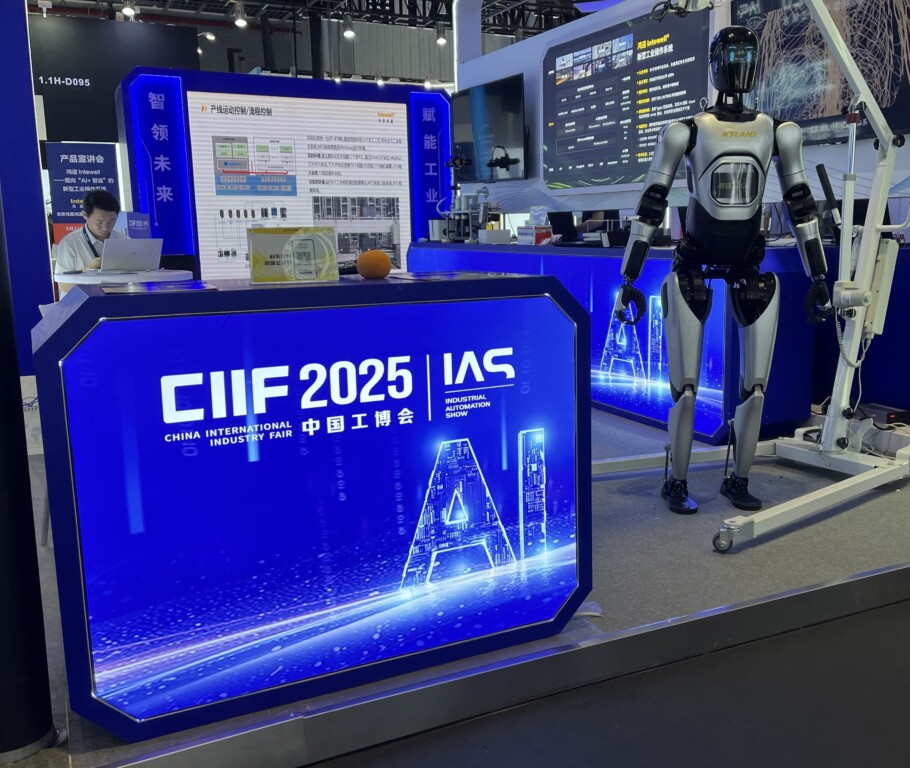
From the moment I received the invitation to attend the China International Industry Fair (CIIF) held in Shanghai from 23 to 27 September 2025 I was deeply curious about what I would find there.
This is not just another exhibition: it is the place where China’s government and industry showcase the Country’s technological roadmap for the years ahead.
The official theme of the fair was:
“Coordinating the upgrading and transformation of traditional industries, fostering and expanding emerging industries, and making forward-looking plans for future industries, thereby shaping a modern industrial system underpinned by advanced manufacturing.”
The event stood as a tangible achievement of China’s 14th Five-Year Plan, sending a clear message: China, already the world’s largest manufacturer, aims to lead the future of global industry.
So, I decided to book a flight and make sure I could spend at least two full days exploring the fair. My expectations were high and rightly so.
Robotics, Artificial Intelligence and New Materials
Several industrial themes caught my attention: robotics, artificial intelligence, new materials and many other emerging technologies.
Among them, aerospace innovations such as rocket launchers, satellites and the new COMAC C919 aircraft, which I hope to fly on one day across Chinese skies. I also saw robotaxis and aerotaxis (vehicles that resemble advanced drones more than conventional aircraft) as well as drones of all kinds for observation, analysis, and monitoring.
The sections dedicated to industrial and service robotics were equally impressive, with robots working in automated warehouses, production lines, and even in restaurants!
Immersing myself in this environment felt like stepping into the future. Every time I travel to China, I have the same impression that I’m living 20 or 30 years ahead of what we are used to in Europe.
Automation Is Changing the Way We Think About Work
I noticed how many automated activities now rely on robots performing the same tasks once handled by humans.
Surely, this is only the first step. In the coming years, operations will be designed from the ground up for robots, not the other way around: it will no longer be the robot adapting to human movements, the processes themselves will be designed for automation.
At times, it felt like living in a science fiction novel, and yet this is already our reality. It fascinates me, but at the same time it’s a bit frightening. I must admit: I’m not entirely ready for such a radical change but I know it’s coming fast.
Emerging Technologies: From High-Speed Trains to Smart Cities
Among the many technologies that caught my eye were high-speed trains, silicon data chips, AI-integrated systems, Smart City infrastructures, high-performance carbon fibers and goods made by ferrous and non-ferrous materials.
I also explored quantum and space communication systems, underground drilling machines, nuclear energy solutions, deep-sea exploration systems, and technologies for ocean resource extraction. There were even cruise ship technologies, integrated energy systems and a wide range of AI applications across multiple industrial contexts.
It was truly an impressive panorama of where technology is heading next.
Tesla: The Only Western Presence
The only well recognised Western company exhibiting at CIIF25 was Tesla.
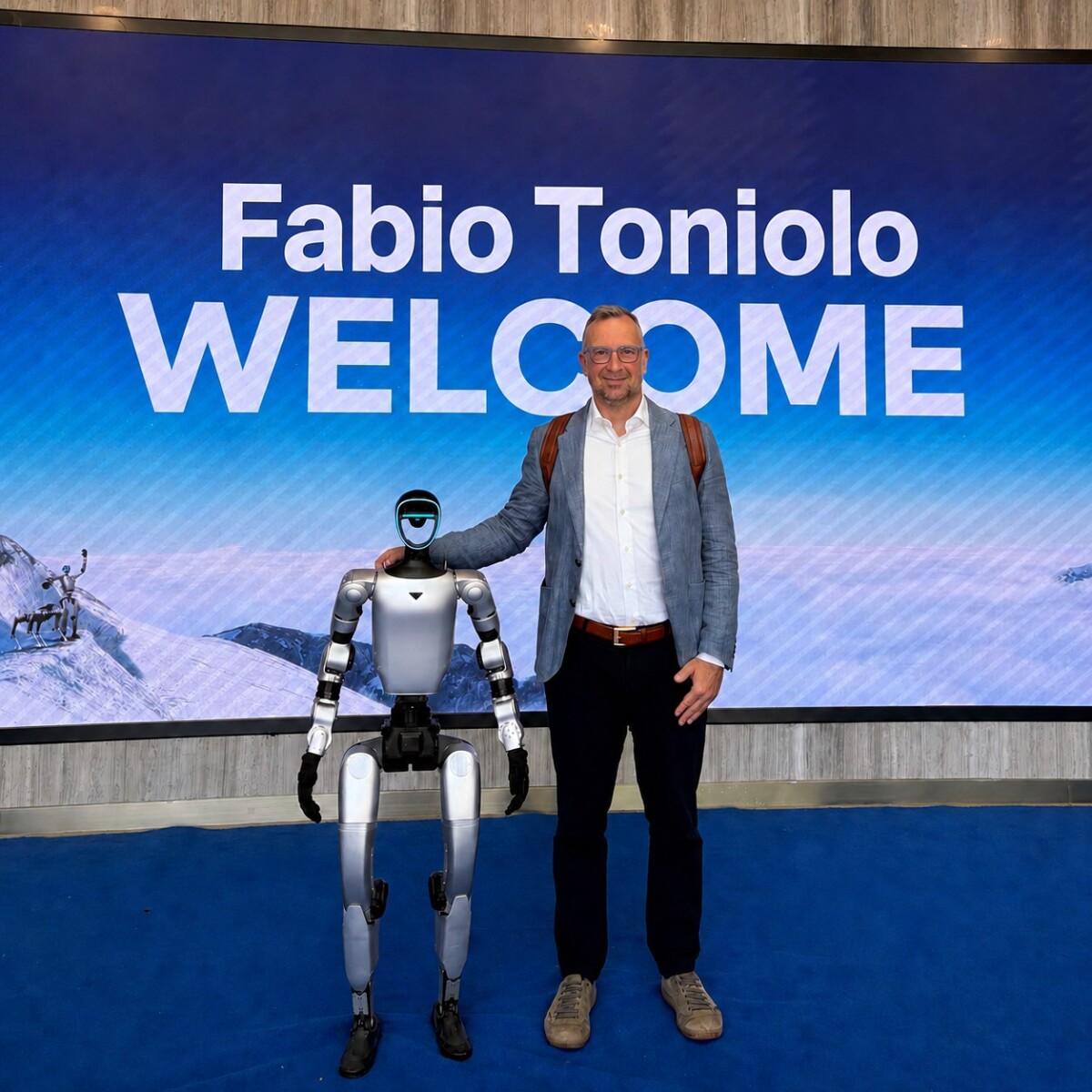
Its products, from the electric car to the Optimus humanoid robot, no longer represented the technological frontier as we often perceive them in the West, but rather seemed fully integrated into the mainstream of the Chinese tech offering.
Tesla today looks like a meeting point between Silicon Valley and China’s industrial ecosystem.
I’m not sure whether its technology is more or less advanced than that of Chinese competitors, but one thing is clear: marketing and design remain its strongest assets and perhaps the elements that keep it appealing to Western audiences.
A Reflection from the Shanghai Automobile Museum
On Saturday afternoon, I visited the Shanghai Automobile Museum, a beautiful structure showcasing vehicles from across the 20th century.
What impressed me most was how the final section dedicated to prototype cars was closely aligned with the innovations I had just seen at the fair earlier that day.
It feels as though the present has caught up with the science fiction of just a few years ago an exciting and, at the same time, unsettling realization.
Final Thoughts – Keep Learning, Keep Moving
This trip has certainly provided valuable insights for my work with Experia Solution.
I believe Europe must draw inspiration from this energy and innovative mindset, facing global technological challenges with more practical vision instead of dispersing resources on projects that lack real innovation.
Staying informed about technological market evolution can lead to great satisfaction and opportunity.
If your Company is trying to understand where global industrial innovation is heading, or you’re looking to build partnerships with Chinese manufacturers and technology providers, contact Experia Solution: we help companies navigate suppliers, technologies and business opportunities in the fast-changing world of advanced manufacturing.