Beyond the Humanoid Robot Hype
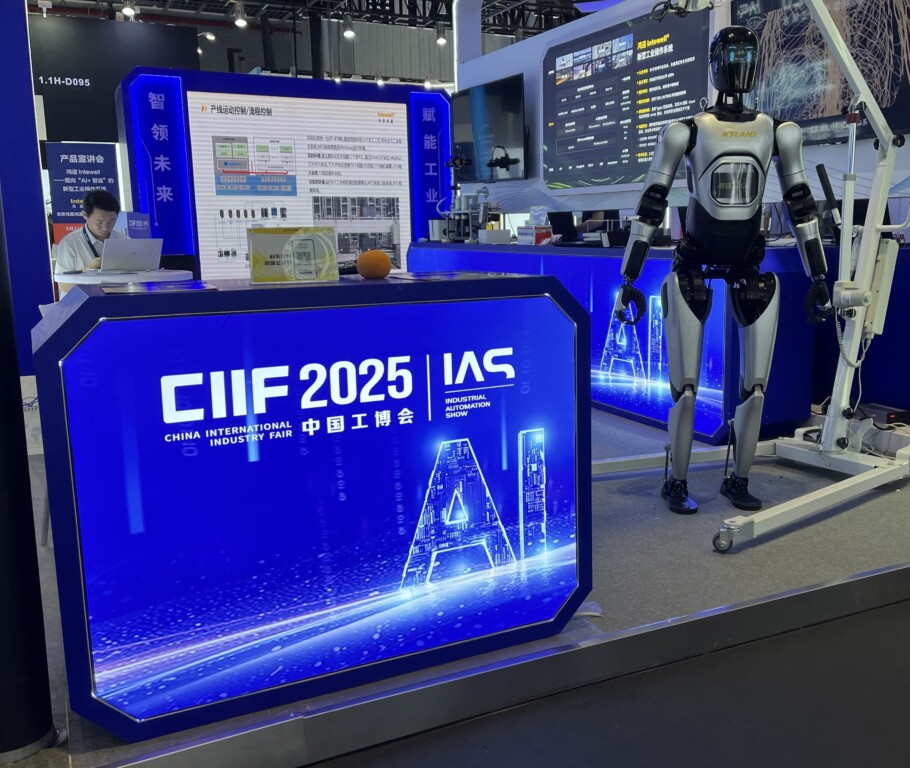
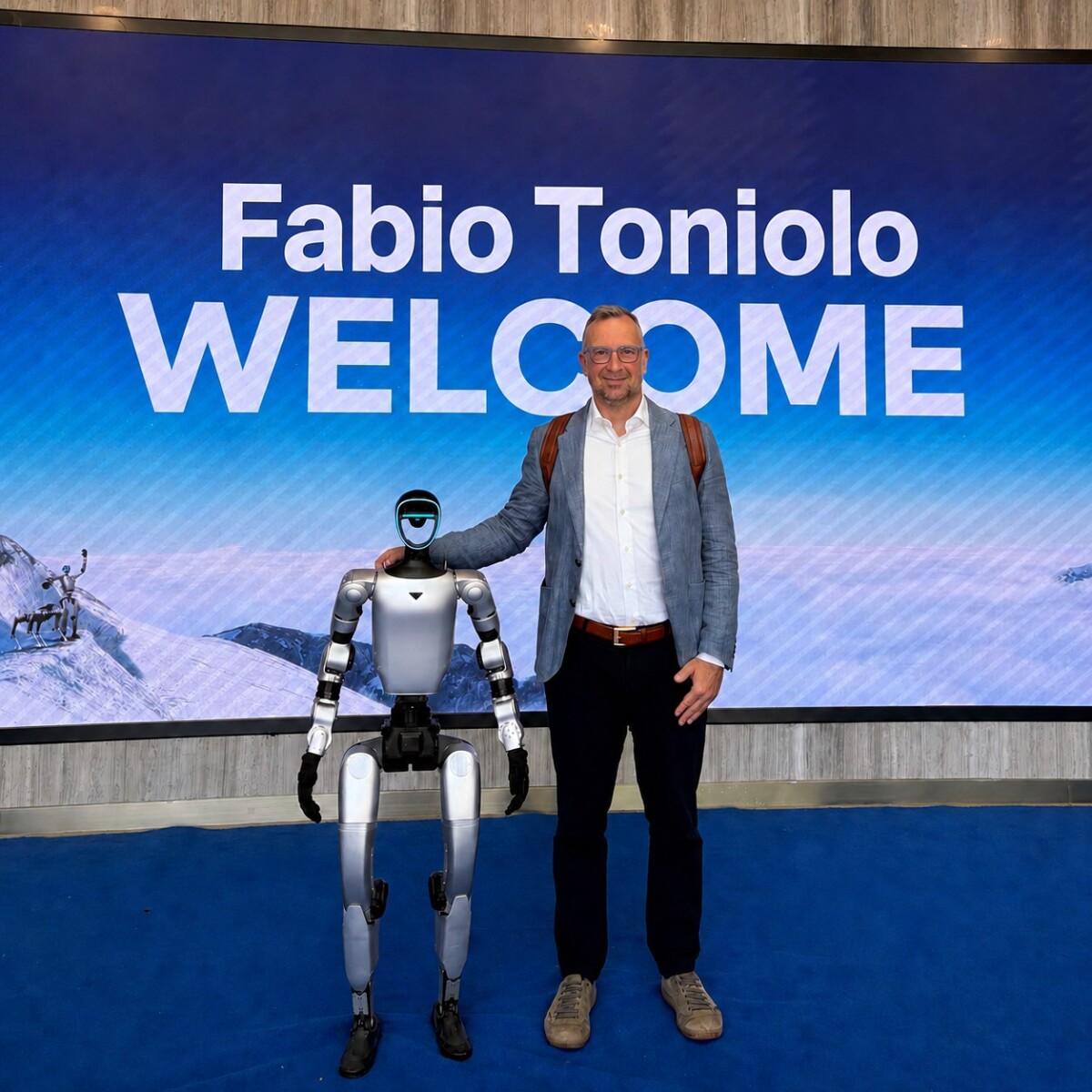
Last week, during my visit to HRTE exhibition in Hangzhou, I had the opportunity to observe one of the most interesting technological transitions currently taking place in China: the evolution of humanoid and quadruped robots from demonstration to industrial deployment.
Robotics is no longer just a futuristic concept, it is becoming an industrial supply chain and, as often happens in China, the speed of development is impressive.
For me, the most relevant question is: Where can this technology create industrial value?
From product curiosity to industrial application
Robotics is entering the phase in which a technology becomes business relevant when it finds the right application, the right business model and the right industrial structure around it.
The product is important but the product alone is not the business. A robot without application engineering, software integration, commissioning, after-sales service and local support remains a machine looking for a problem to solve.
Actually, the manufacturers sell the hardware. But the real value is created by those who can understand the customer’s process, adapt the robot to the application, program it, install it, maintain it and take responsibility for performance.
The future “distributor” of robotics will not be a traditional commercial distributor but it will have to be a “system integrator”. This was one of the clearest conclusions from my visit.
A company representing robotic technology in Europe would need much more than sales contacts. It would need technical people, software capabilities, commissioning competence, service infrastructure and the ability to identify real use cases.
Making it work in a real industrial environment is the hard part so the question become: “Can we build a reliable application around this robot?”
China is both a supplier and a strategic signal
China is clearly positioning itself as one of the main engines of the global robotics industry. The ecosystem is moving fast: manufacturers, components suppliers, software developers, universities, investors and local industrial demand are all pushing in the same direction.
For European companies, this should not be observed only with fear or fascination.
It should be understood strategically: Chinese robotics companies may become suppliers, partners or competitors and, in many cases, they will be all three at the same time.
This is not new to me: the photovoltaic industry has already shown what happens when China combines industrial policy, supply chain integration, manufacturing speed and global commercial ambition.
The strategic lesson is similar: ignoring the trend is not an option.
Europe should not simply wait until the technology becomes mature and then complain that the value chain has already moved elsewhere. There is still room to create value, but it will require strong industrial intelligence.
The opportunity is not everywhere
I do not believe robotics should be approached with naïve enthusiasm: not every robot is ready for every market, not every application justifies the cost, not every manufacturer is ready for international after-sales responsibility.
This is why a selective approach is necessary before entering any collaboration:
• Can the technology solve a real industrial problem?
• What is the measurable value?
• What level of local customization is required?
• Who takes responsibility for software, service and troubleshooting?
• Can the business model sustain the technical structure required locally?
These are not secondary details. They are the difference between a promising technology and a failed commercial attempt.
From photovoltaic equipment to new industrial technologies
My professional background is in understanding industrial equipment, manufacturing processes, supply chains and international business development. This is why I am interested in robotics, it may become part of the next industrial transformation.
The same logic that I have used for years in photovoltaic manufacturing equipment can be applied to other sectors: understand the technology, evaluate the process, identify the application, connect the right players and build a realistic commercial path.
I am interested in speaking with manufacturers, integrators, industrial companies and investors who are looking at robotics and advanced automation with a serious industrial perspective.
The opportunity is to understand where robotics can become useful, reliable and economically sustainable.
That is where I believe collaboration can create value.